
What types of masking are there?
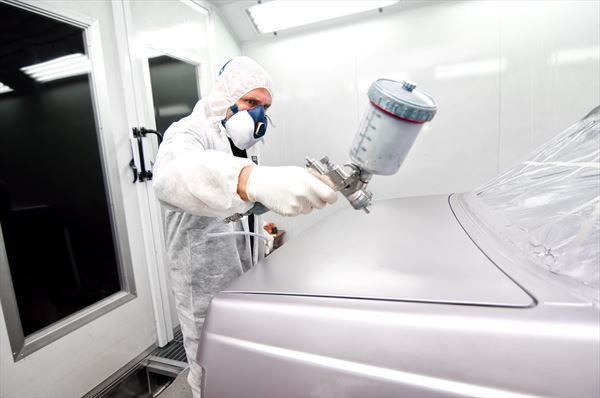
In a repair and subsequent repainting process, there is a crucial element that occupies a large part of the time spent: the masking system.
This process requires great precision to ensure an optimal finish without the need for touch-ups by spraying or sanding in areas adjacent to the work area.
Types of masking according to the phase
The types of masking that we will use will depend on the phase in which we find ourselves.
Let's see the phases that we are in a repair process and that we are also in the painter's blog. In this way we will know how to apply a good masking system.
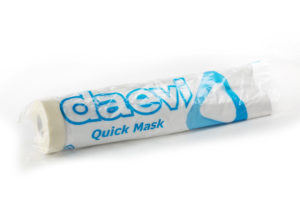
- Preparation phase: This is where the part repair is done. Primers, fillers and putties are applied and sanded. Being such a primary phase, you can opt for basic masking without the need to outline the edges well. This masking will delimit the work area to prevent the operator from damaging other areas of the vehicle. You can use the plastic roll with Quick Mask® tape for quick and easy coverage.
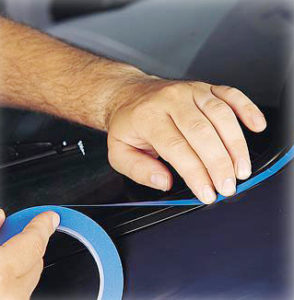
- Application phase: It is important to remove the masking used in the previous phase and replace it with a new one. In the case of a complete painting of the vehicle, the masking will be applied in the joints (with adhesive strip), will delimit elements such as windows, windows, headlights and wheels. In the case of partial painting, taking advantage of the different cloths, a precision masking must be carried out on the elements that delimit the work area. Window rubbers will be protected with tape rubber lifter, the moldings that separate the body parts will be masked with adhesive weatherstripping and the wide surfaces with plastic with crepe tape.
- Profiling phase: when several colors are used in the painting, the technical profiling tapes are used to help carry out the painting, precisely delimiting the cutting areas. It is recommended to use technical tapes of low adhesiveness and fine profile to avoid paint chips, one of the most recommended tapes is the rice paper tape.
Tips for a good masker
In addition to using Quality Products Intended for professional use, we must take into account other details that ensure a perfect masking of the vehicle and that help to avoid possible defects in the paint that require us to carry out overhauls at the end of the job.
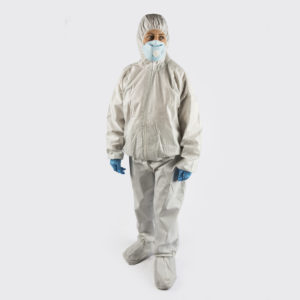
- It is not enough just to mask the vehicle, the operator and cab protection of paint also ensures that no contaminating elements come into contact with the body, so it is essential that the painter use monkey or painter's diver full and antistatic (with adjustable cap and elastic cuffs), plus a protective face mask, gloves and if necessary covers shoe covers to prevent particles from entering the cabin.
- Before the drying phase of paint, you must remove elements with high adhesiveness, such as the adhesive weatherstrip, to prevent heat from detaching the adhesive from the foam and leaving traces of glue that require cleaning.
- If we have used quality technical tapes, as the blue uv tape wave rice paper tape, we can carry out the drying, even by infrared, without problems. Well these tapes withstand high temperatures without leaving residue.
- In the case of having to repair paint defects, a masked of the area adjacent to the repair to prevent the sanding or the products used to finish the finishing from resting on the already painted and finished bodywork.
We leave you the video he made Painting Cars Alberto with the professional products of Daevi for masking a vehicle before painting.
As in all the processes of the automobile repair and repainting, it is necessary to ensure that they work with quality products and specific to each process.
Trust in masking products from leading manufacturer, Daevi.
You may also be interested in these articles: